
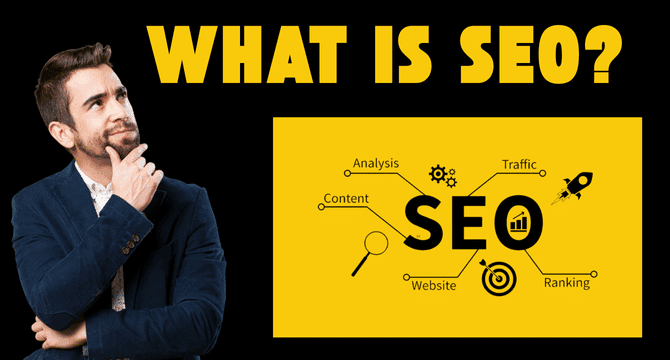
Have you ever searched for something on Google and clicked one of the first results? That’s SEO in action. Let’s break it all down, what SEO really is, why it matters, and how it helps your website show up when people are searching for answers, products, or services just like yours
Understanding the Basics of SEO
SEO Defined in Simple Terms
SEO, or Search Engine Optimisation, is the art and science of making your website appear higher in search engine results. In short, it’s about helping Google (and other search engines) understand your site and show it to the right people. The goal? More visibility, more traffic, and ultimately more business.
How Search Engines Work
Search engines use bots to crawl the web, index content, and rank it based on relevance, authority, and usability. Think of them like digital librarians always trying to find the best answers for your queries, based on a complicated mix of factors known as algorithms.
The Main Components of SEO
SEO isn’t just one thing. It’s a combination of multiple moving parts working together to improve your visibility.
On-Page SEO
This is everything you can control on your site.
Keyword Research
Keywords are the foundation. They’re the words your audience types into Google. Researching the right ones helps you write content that matches what people are searching for.
Meta Tags & Headings
Meta titles, descriptions, and headers (like the ones in this article!) tell search engines what your content is about. Well-structured pages are easier to understand and rank higher.
Off-Page SEO
This focuses on everything happening outside your website.
Backlinks and Authority
When other websites link to yours, it acts like a vote of confidence. The more quality backlinks you have, the more credible your site appears to search engines.
Social Signals
Shares, mentions, and engagement on social platforms indirectly help SEO by driving traffic and building brand awareness.
Technical SEO
This is the behind-the-scenes part.
Site Speed and Mobile Optimisation
A slow website or one that doesn’t load well on phones? Big no-no. Google wants fast, mobile-friendly experiences.
Crawlability and Indexing
If Google can’t “read” your site properly, it won’t rank it. Technical SEO ensures your site is structured and coded in a way that search engines can easily navigate.
Why Is SEO Important for Every Website?
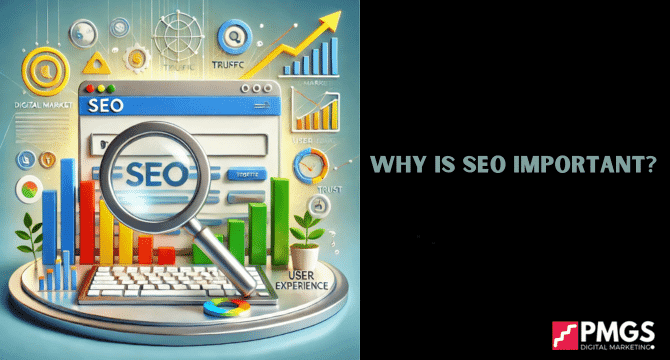
No matter your industry or goals, SEO plays a vital role in digital growth.
Boosting Organic Traffic
Organic traffic means people find your site naturally, without paid ads. And guess what? These visitors often convert better because they’re actively searching for what you offer.
Building Trust and Credibility
Showing up on the first page of Google isn’t just good for clicks—it builds trust. People believe top-ranking sites are more reputable.
Better User Experience
SEO isn’t only about bots, it’s also about people. Clean site structure, fast load times, and helpful content all improve the user experience, which Google rewards with better rankings.
SEO vs. Paid Advertising
Long-Term ROI
Paid ads bring immediate traffic, but once the budget stops, so does the visibility. SEO is more like planting seeds—it takes time, but the results last.
Sustainability and Visibility
SEO helps you stay visible 24/7. Unlike ads, which rely on budget and bidding wars, organic rankings work for you around the clock.
The Role of SEO in Digital Marketing
SEO and Content Marketing
Great SEO starts with great content. Blogs, videos, guides—they all help answer user questions and rank for valuable keywords.
SEO and Social Media
While social media doesn’t directly affect rankings, it amplifies your content, drives traffic, and builds links, feeding your SEO efforts.
Who Needs SEO?
Short answer? Everyone.
Small Businesses
Local plumbers, cafes, yoga studios, you name it. SEO helps people find them online instead of just walking past.
E-commerce Brands
Online stores rely heavily on SEO to show up when people search for specific products. Better rankings = more sales.
Local Businesses
Local SEO ensures you appear in “near me” searches, Google Maps, and location-based queries, which are crucial for service-based industries.
Measuring SEO Success
Key Metrics to Watch
-
Organic traffic
-
Keyword rankings
-
Bounce rate
-
Pages per session
-
Conversion rate
These tell you what’s working and what needs improvement.
Tools to Track SEO Performance
Popular tools include:
-
Google Analytics
-
Google Search Console
-
[Moz
Use them to track progress and make data-driven decisions.
The Evolving Nature of SEO
Algorithm Updates
Google updates its algorithm constantly. What works today might not tomorrow. That’s why SEO is an ongoing process, not a one-off fix.
Voice Search & AI
People are now searching by voice and getting answers from AI. This means SEO must adapt to more natural, conversational search queries.
Final Thoughts
SEO is more than just a buzzword; it’s a fundamental digital strategy that helps businesses grow, compete, and connect with the right people. It builds authority, drives traffic, and keeps your brand visible long-term. Whether you're a small local business or a global brand, investing in SEO today can pay off for years to come.
At PMGS Digital Marketing, we don’t just deliver marketing, we deliver measurable growth. With our proven systems, data-driven strategies, and relentless focus on ROI, we help businesses across Australia attract more leads, convert more customers, and scale sustainably. From Google Ads and SEO to high-converting websites and local visibility campaigns, our tailored approach ensures every marketing dollar works harder.
When you partner with PMGS, you're not getting a vendor, you’re gaining a strategic ally invested in your long-term success. Let’s transform your digital presence into your strongest revenue engine. Ready to grow? Let’s talk.
FAQs
- **How long does it take for SEO to work?**Typically, SEO takes 3 to 6 months to show significant results, depending on your industry, competition, and website quality.
- **Can I do SEO on my own?**Yes, basic SEO like keyword research and on-page optimisation can be done solo. But for technical SEO and strategy, professional help is often worth it.
- **Is SEO only for Google?**While most SEO is geared toward Google, good practices also help with Bing, Yahoo, and even YouTube and Amazon search visibility.
- **How often should I update my SEO strategy?**Quarterly reviews are ideal. Algorithms change, competitors evolve, and your content should stay fresh and relevant.
- **What’s the biggest mistake in SEO?**Chasing quick wins or using black-hat tactics. SEO success comes from consistency, quality content, and ethical optimisation.
Author

Gayan Perera
Gayan Perera, Senior Digital Marketing Specialist at PMGS Digital since 2010. With a bachelor's degree in online systems, Gayan specialises in Online Systems, Web Development, Google Analytics, SEO, Google Ads, Social Ads and CRM Integrations. In addition to those, Gayan enjoys creating videos and content to educate people about those areas.